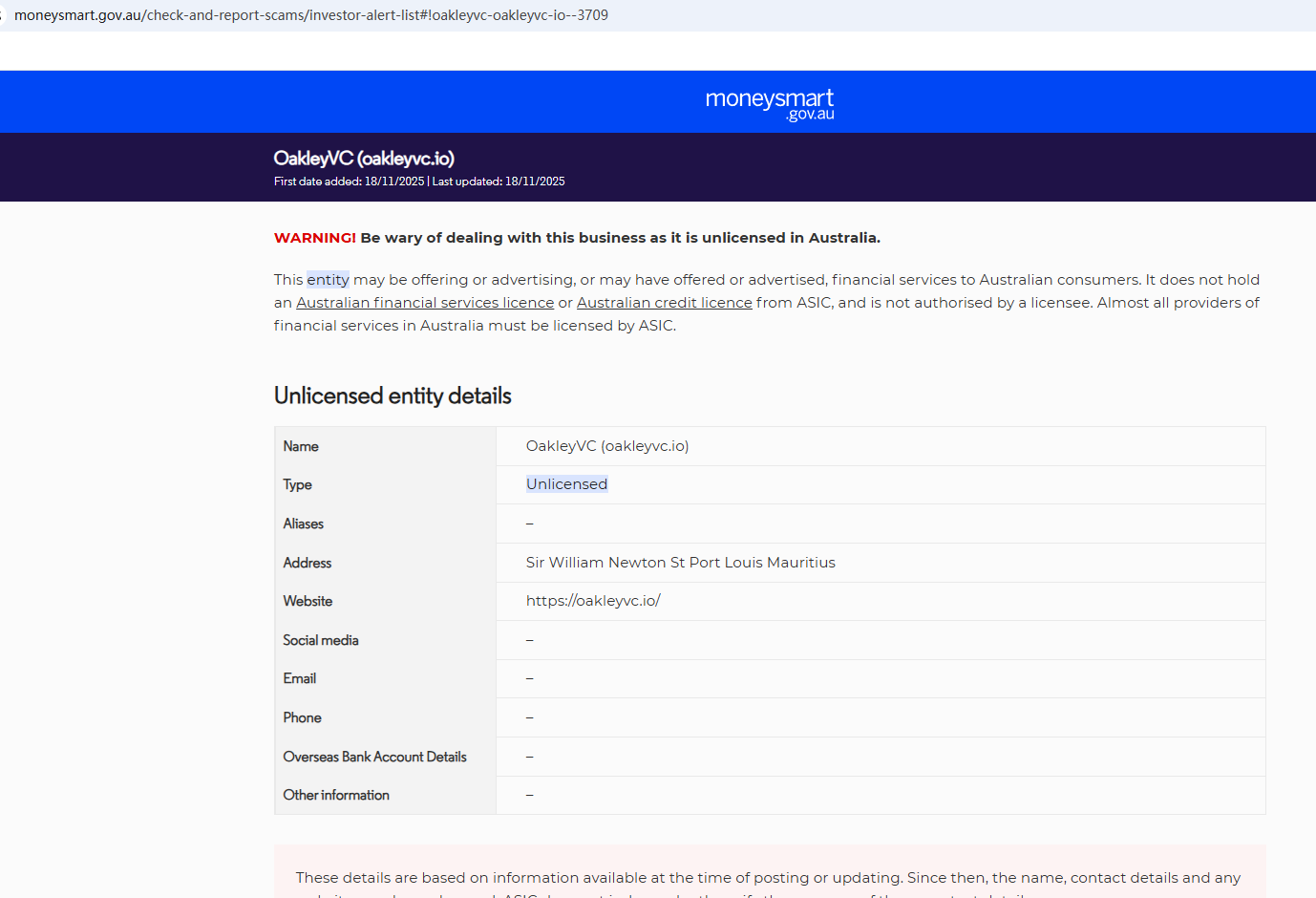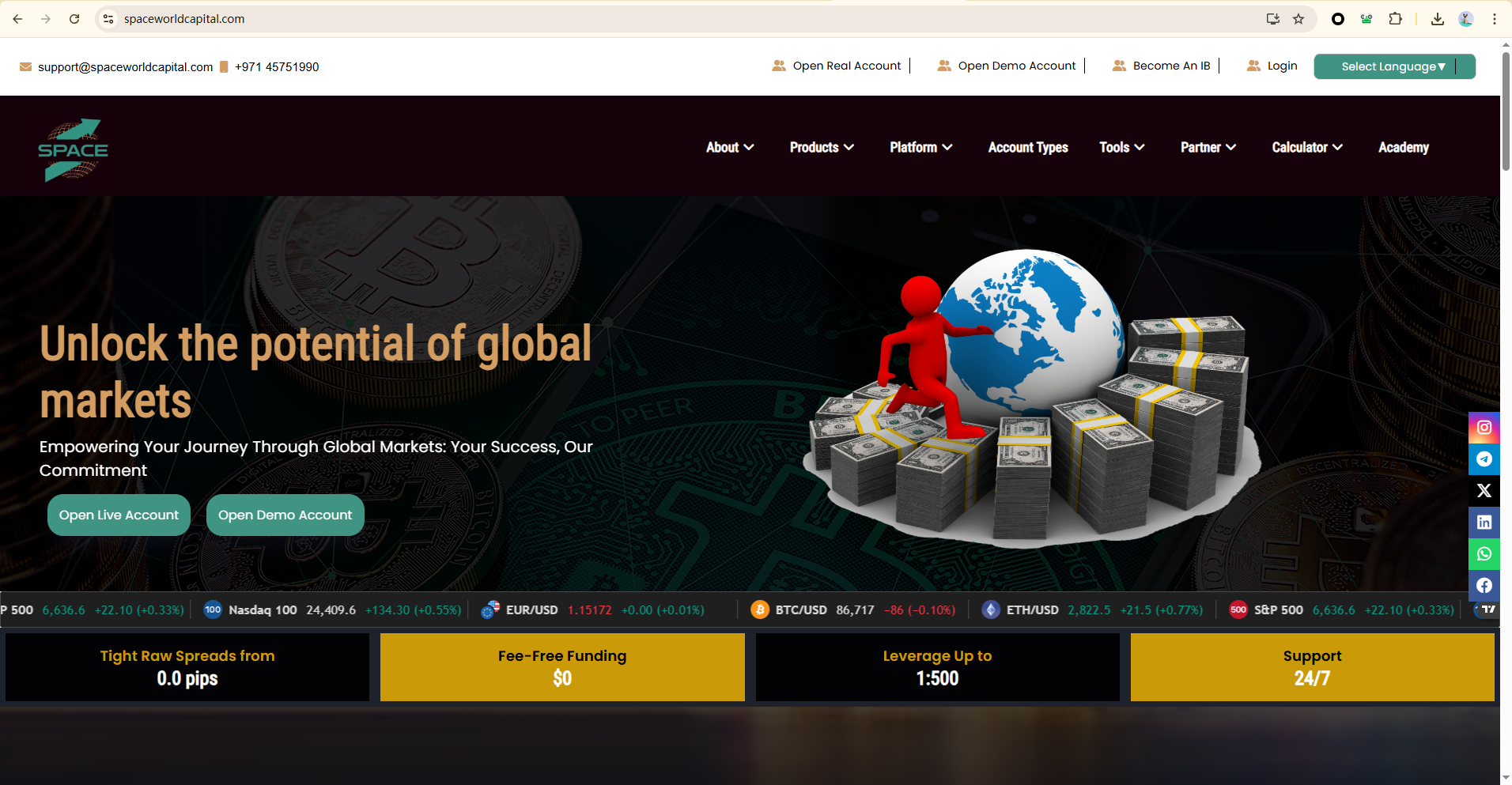
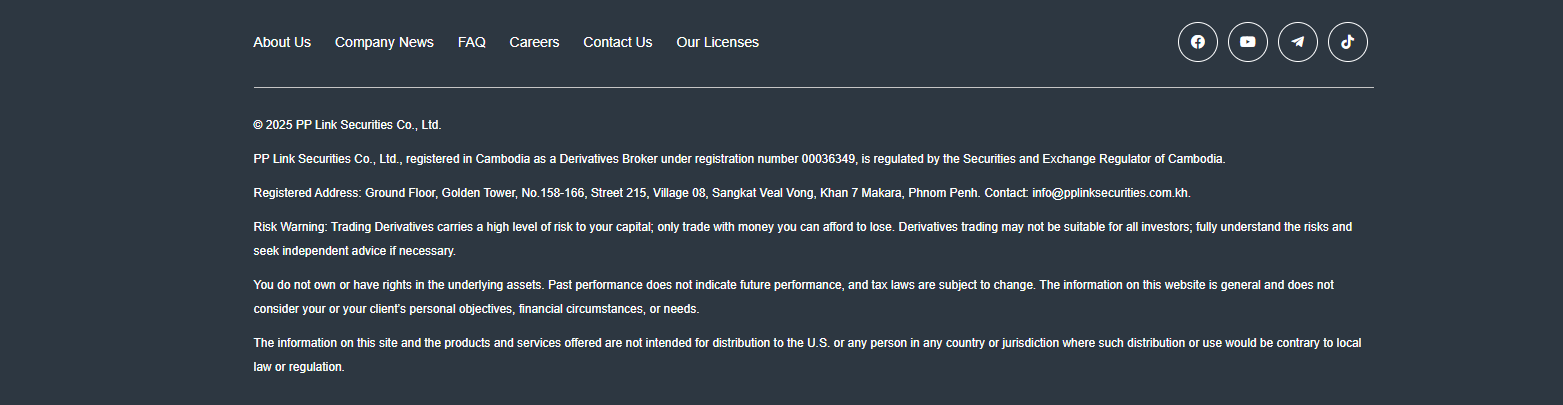
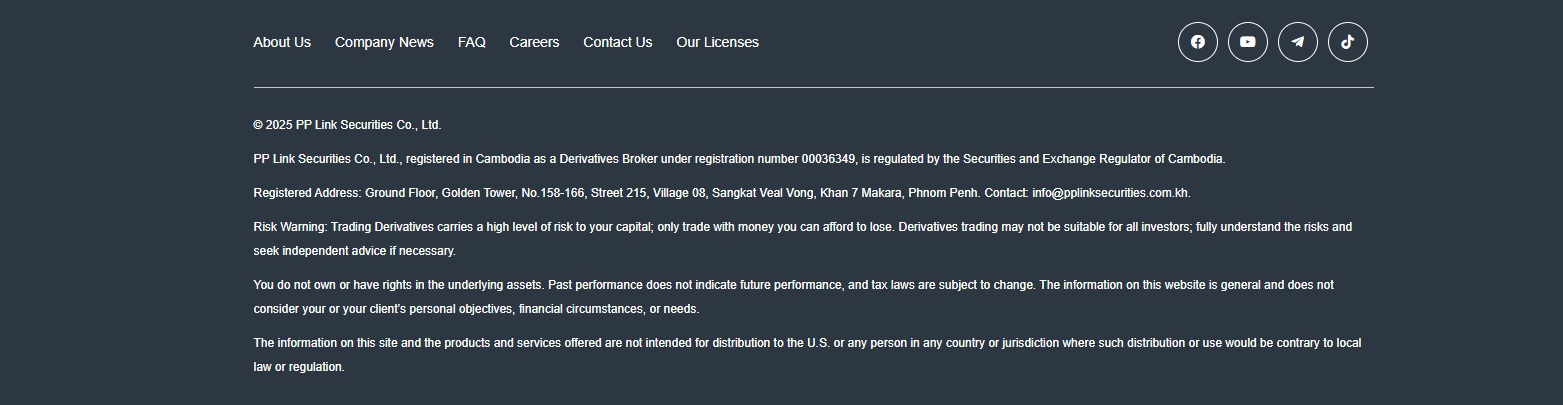
PPLINK Securities (https://pplinksecurities.com.kh/) presents itself online as an investment/brokerage platform serving clients in Cambodia and the region. The website’s interface, account-tier pages, and marketing language are designed to inspire confidence: “fast execution,” “professional support,” and “high returns.” But appearances can be misleading — and when a platform lacks transparent, verifiable foundations, those slick pages can quickly turn into a pathway for losses.
This article is blunt and instructive: treat PPLINK Securities with extreme caution until you can independently verify its licensing, corporate details, and withdrawal track record. If you already suspect a loss, begin evidence collection and consider a recovery evaluation with vetted specialists: RECLAIM NOW.
Why first impressions are not enough
A professional website doesn’t equal legitimacy. Fraudulent platforms often copy the look and language of real brokers to lower suspicion. The questions that matter are not “does it look good?” but “can I verify the company’s licenses and where the client money is held?” Before depositing any funds, you should be able to:
- Find an exact corporate name and registration number in a national company registry.
- Confirm a valid financial-services license on the regulator’s official public register.
- See audited custody statements or clear statements about client-fund segregation.
If those items are absent or inconsistent, treat the site as high-risk.
Key independent checks you should run (and what they tell you)
- Check the regulator register for the exact corporate name.
A broker that claims to be licensed should supply a license number — then you must confirm that number on the regulator’s site (don’t trust a screenshot on the broker’s homepage). If the firm is not found, it is unregulated for that jurisdiction. (Quick searches on Google often surface regulator warnings and forum reports.) - Look up the WHOIS / domain age and ownership.
Fresh domains, privacy-protected WHOIS entries, and frequent domain changes are common in scam networks. Established firms typically have older domains and transparent registrant data. - Search for credible third-party reviews and withdrawal evidence.
Independent user threads and long-form reviews on community forums often reveal withdrawal problems early. A quick search on Reddit or industry review sites can surface real user experiences. - Confirm physical address and corporate filings.
Legitimate brokers normally publish verifiable addresses and company numbers you can cross-check with national corporate registries or business directories. If an address is a virtual office, a PO box, or cannot be verified, that is a red flag. - Be skeptical of guaranteed returns or pressure to deposit quickly.
Promises of guaranteed returns or manager-led “special opportunities” that require fast money transfers are classic social-engineering tactics.
If any of the checks above fail or produce inconsistent results, stop. If you’ve already deposited, preserve receipts and communication, and consider starting a documented recovery evaluation: RECLAIM NOW.
Common red-flag patterns PPLINK-style sites often share
- Ambiguous licensing language. Phrases like “we comply with regulations” without a license number are common on unregulated platforms.
- High-minimum or tiered account pressure. “VIP” levels or large minimum deposits are used to extract more funds.
- Hidden fees or withdrawal “verification” demands. Scammers will often pay a small withdrawal to build trust, then demand extra fees before a larger withdrawal can be released.
- Privacy-protected ownership and new domain registrations. Makes it hard to hold operators accountable.
- Overly friendly “account managers.” Direct outreach by a supposed account manager encouraging further deposits is a classic upsell/pressure tactic.
If you notice these behaviors with PPLINK Securities, do not add more funds and document everything: transaction IDs, screenshots, chat logs, receipts, and the exact URLs shown during your interactions.
If you’ve already deposited — immediate actions
- Stop all further deposits. More payments usually reduce the chance of recovery.
- Document evidence thoroughly. Save screenshots of your dashboard, deposit confirmations, email/chat history, wallet addresses and transaction hashes (for crypto).
- Contact your bank or card provider immediately and ask about chargeback or transaction reversal options — provide them the timeline and evidence.
- If you used a bank transfer or card, request a fraud dispute and file a police report if instructed; local law-enforcement reports can help later.
- Avoid paying “recovery” companies without vetting them — many recovery offers are scams. If you want a vetted recovery evaluation, start with reputable firms such as RECLAIM NOW.
Four keywords to use when researching or reporting
- Crypto Scam — if the platform offers cryptocurrency products and you need to search for similar complaints.
- Forex Scam — if the site sells forex/CFD trading and you suspect abusive broker behaviour.
- Crypto Reclaim — searches for recovery procedures specific to blockchain transfers.
- Recovery — general searches about getting funds back through banks, chargebacks, or legal routes.
When you search those keywords along with the site name you’ll surface most of the independent commentary, forum reports, and watchdog posts to help form a reality check. Use an impartial assistant or community platform (try ChatGPT or the sources above) to summarize findings before acting.
PPLINK Securities, like many slickly designed brokerage sites, may look trustworthy at first glance — but legitimate investing depends on verifiable regulation, transparent corporate structure, and a documented history of honoring withdrawals. If you cannot independently confirm at least the corporate registration and a valid license number with the official regulator, treat the platform as high-risk and avoid depositing funds.
Remember these concrete truths: regulators protect you only if the firm is regulated; banks can help if a bank-card or bank transfer was used (timing matters); and cryptocurrency transfers are the hardest to recover. If you are uncertain, do not risk large sums — use a demo account or a tiny test deposit only, and attempt an immediate withdrawal to verify the process.
If you find yourself already entangled — stopped withdrawals, demands for added verification fees, or unresponsive support — take rapid action: gather all evidence (screenshots, transaction IDs, emails, chat logs), contact your payment provider about chargeback/dispute options, and report to local law enforcement and relevant financial regulators. For help organizing evidence and understanding your recovery options, begin a documented recovery evaluation with vetted specialists: RECLAIM NOW.
Finally — warn your community. Post on forums, share your evidence in investor groups, and encourage others to verify regulation before committing funds. Use Google, Reddit, ChatGPT and long-form platforms like Medium to research and share findings. When a platform raises more questions than answers, the safe choice is to walk away.