Powerful Ways to Avoid GO Markets Scams – Protect Your Money from Fake Brokers Today
The global trading industry has seen massive growth over the past decade, with millions of investors entering forex and CFD markets. Alongside this growth, however, there has been a sharp increase in scams, impersonation schemes, and fraudulent platforms pretending to be legitimate brokers. One brand that has unfortunately been targeted by scammers is GO Markets, a legitimate brokerage that has existed for years.
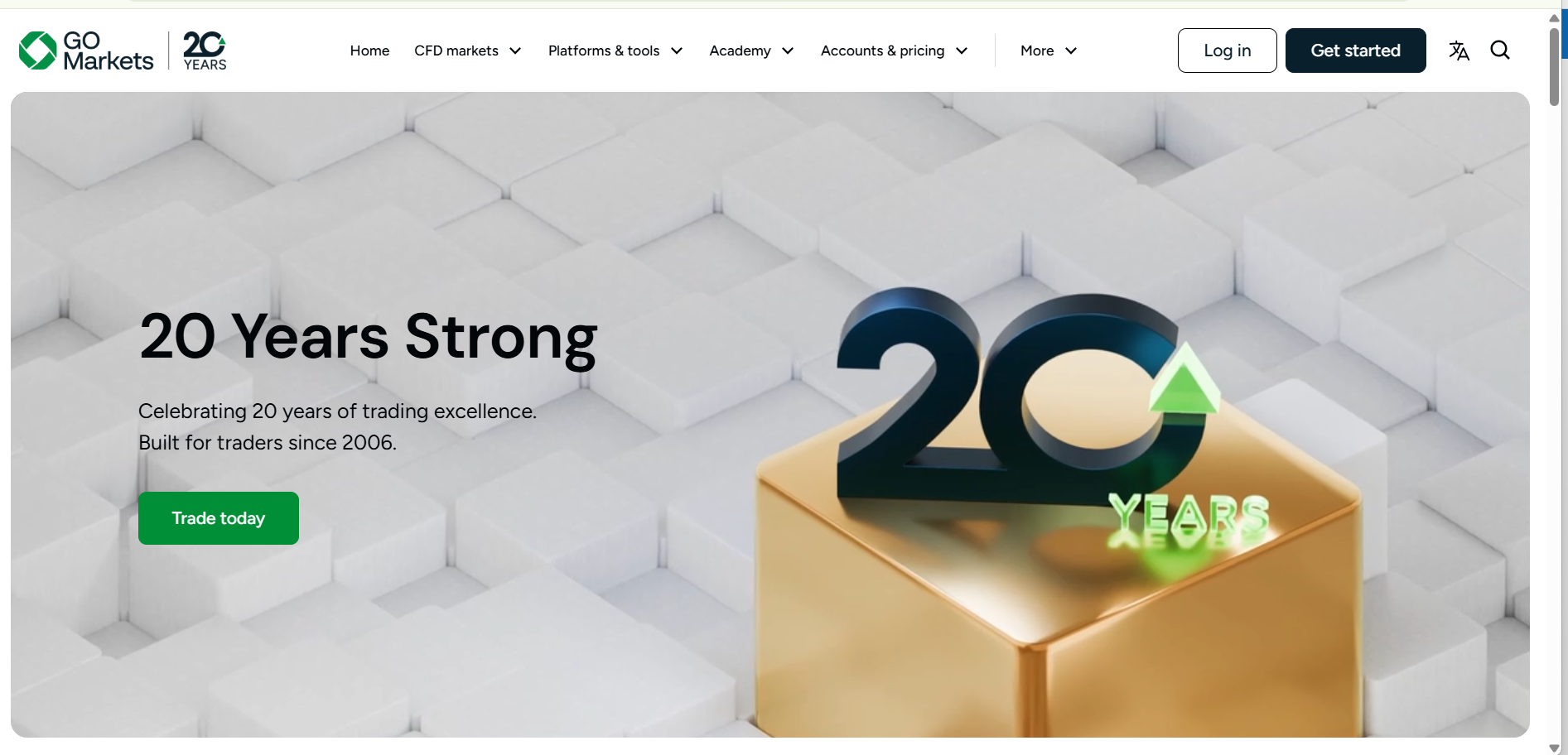
It is important to clarify from the beginning: GO Markets itself is a regulated broker in multiple jurisdictions. However, scammers frequently create fake websites, clone platforms, and impersonation schemes using the name to deceive investors. This article will expose how these scams work and provide actionable insights to help you stay safe.
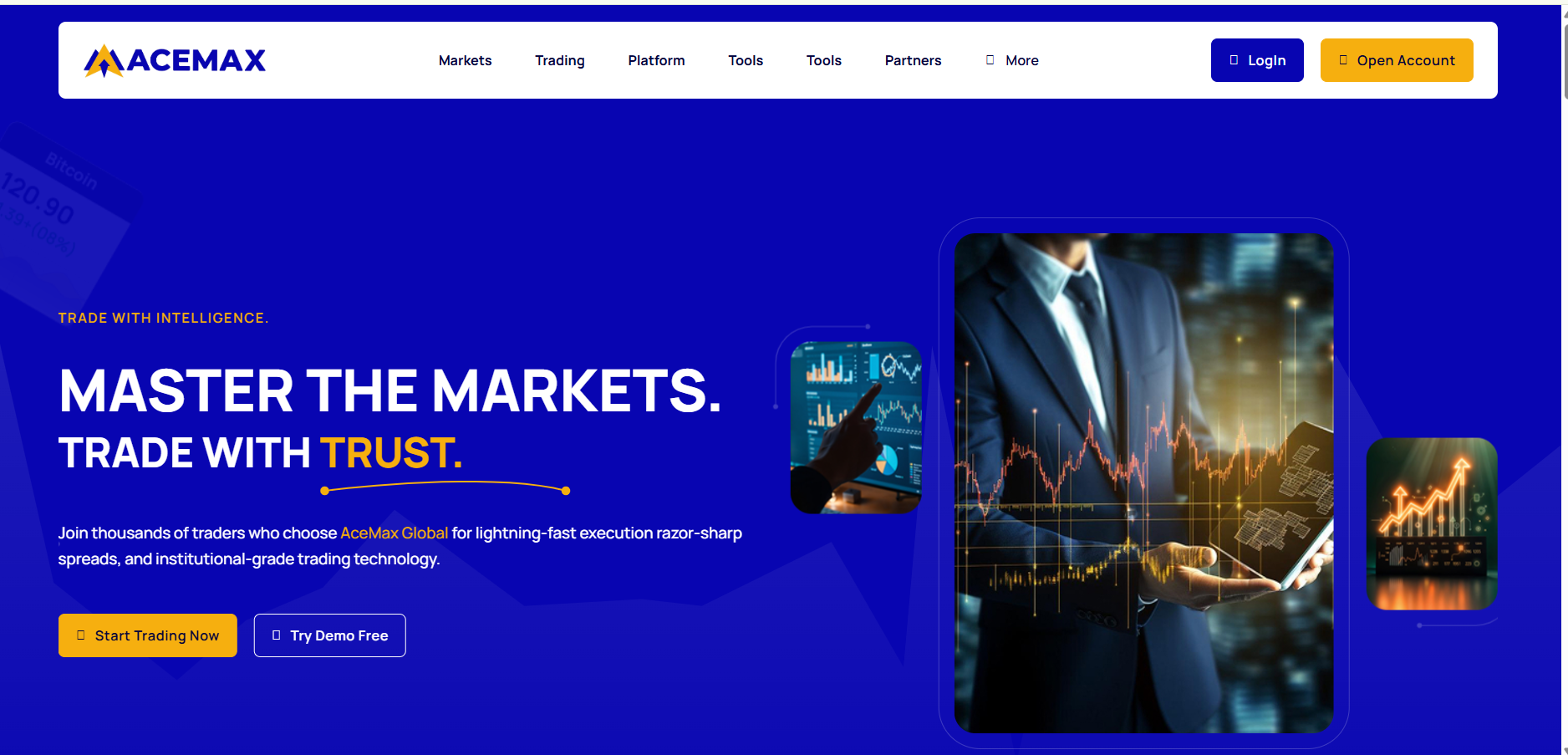
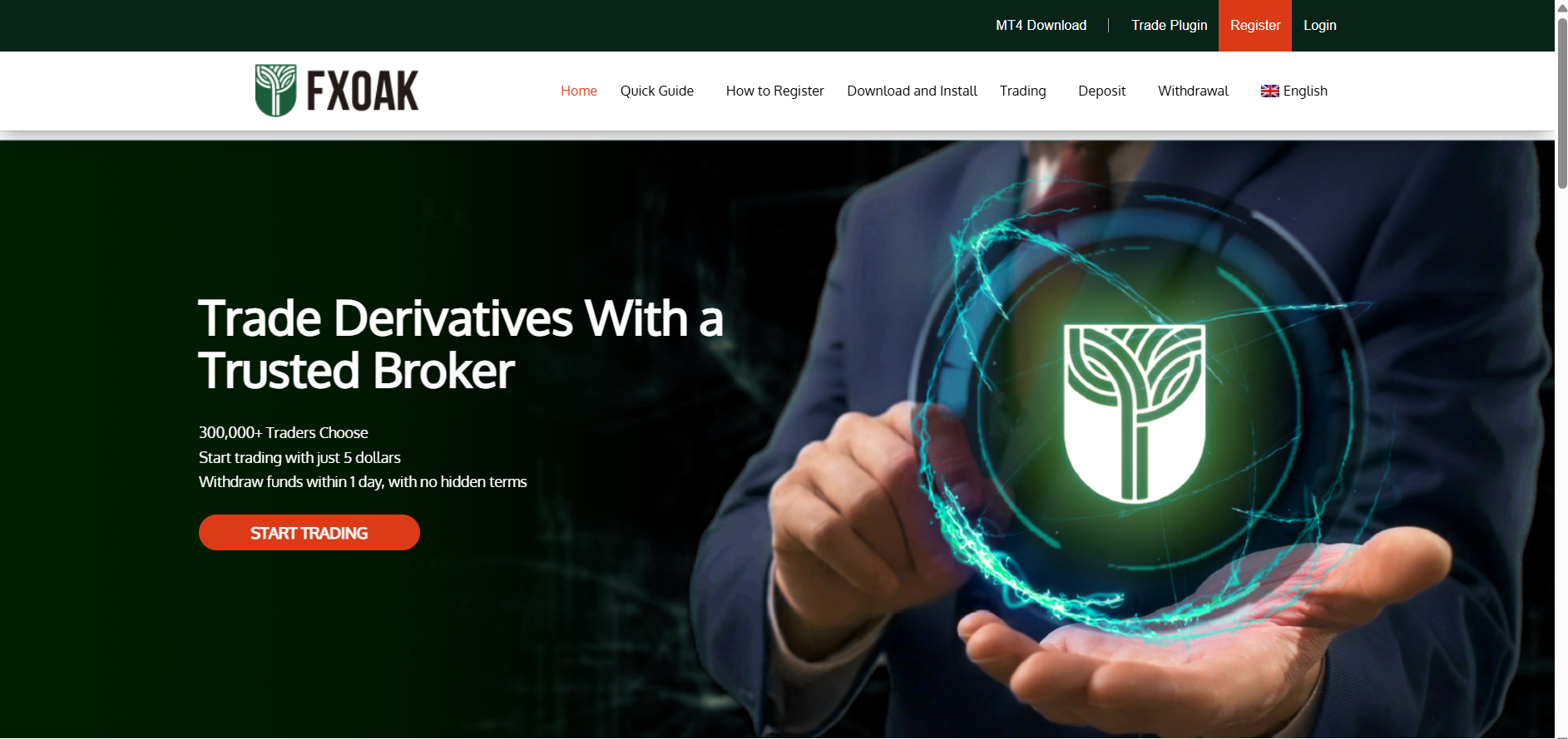
One of the most common tactics used by scammers is brand impersonation. Fraudsters create websites that look nearly identical to the official GO Markets platform. They copy logos, content, and even legal disclaimers to appear legitimate. For an inexperienced investor, it can be extremely difficult to distinguish between the real platform and a fake one.
Another major red flag is fake domain names. Scammers often register domains that closely resemble the official website, sometimes with small spelling changes or added words. Investors who do not verify the exact URL may unknowingly sign up on a fraudulent site, believing they are dealing with GO Markets.
Unsolicited contact is another warning sign. Victims often report receiving unexpected phone calls, emails, or social media messages from individuals claiming to represent GO Markets. These scammers may offer exclusive investment opportunities, guaranteed returns, or limited-time promotions. Legitimate brokers rarely cold-call potential clients in this manner.
Once a victim engages with these scammers, the next step is usually to encourage deposits quickly. Fraudsters create urgency by claiming that a profitable opportunity will expire soon. This psychological pressure is designed to bypass rational thinking and push investors into transferring funds without proper verification.
Another dangerous tactic involves fake trading dashboards. Victims may see their accounts showing consistent profits, even in volatile market conditions. These figures are often manipulated to build trust and encourage larger investments. In reality, no real trading is taking place.
Withdrawal issues are perhaps the most telling sign of a scam. Victims frequently report that when they attempt to withdraw funds, they are met with delays, excuses, or additional charges. Some are told to pay “taxes,” “processing fees,” or “account unlocking fees” before withdrawals can be processed. These are classic scam tactics, and the funds are rarely recovered.
Scammers also rely heavily on social proof manipulation. They may create fake reviews, testimonials, and even social media accounts to build credibility. Some go as far as using fabricated success stories to convince potential victims of their legitimacy.
Another concern is data security. When users sign up on fake platforms, they often provide sensitive personal and financial information. This data can be used for identity theft, further scams, or unauthorized financial activity. Protecting your personal information is just as important as protecting your money.
The use of account managers is another common strategy. These individuals build relationships with victims, offering guidance and encouragement. Over time, they push for larger deposits while maintaining constant communication. This creates a sense of trust that makes it harder for victims to recognize the scam.
It is also important to understand that legitimate brokers like GO Markets operate under strict regulatory frameworks. They are required to follow rules related to transparency, client fund protection, and fair trading practices. Scammers, on the other hand, operate without oversight, making it nearly impossible to hold them accountable.
To protect yourself, always verify the authenticity of a platform before investing. Check the official website, confirm regulatory licenses, and avoid clicking on suspicious links. If you are contacted unexpectedly, take time to verify the source before responding.
Another effective strategy is to start with small amounts. Before committing significant funds, test the platform with a minimal deposit and attempt a withdrawal. This can help identify potential issues early.
Education is one of the most powerful tools in preventing scams. Understanding how fraudulent schemes operate can help you recognize warning signs and make informed decisions. The more informed you are, the less likely you are to fall victim.
Diversification is also crucial. Never invest all your funds in a single platform, especially one you have not fully verified. Spreading your investments reduces risk and provides an additional layer of protection.
Ultimately, the misuse of trusted brand names like GO Markets highlights the growing sophistication of online scams. Investors must remain vigilant and proactive in protecting their assets.
Conclusion
The rise of impersonation scams involving GO Markets serves as a powerful reminder of the risks present in today’s digital trading environment. While legitimate brokers continue to provide valuable services, scammers are constantly evolving their tactics to exploit trust and familiarity.
One of the most important lessons is the need for verification. A familiar brand name does not guarantee authenticity. Scammers rely on this assumption to deceive investors. Always verify the platform through official channels before making any financial commitments.
Another critical takeaway is the importance of skepticism. Offers that promise guaranteed profits, low risk, or exclusive opportunities should always be questioned. Financial markets are inherently unpredictable, and no legitimate broker can guarantee consistent returns.
The emotional and financial impact of scams can be devastating. Victims often lose not only their money but also their confidence and sense of security. This highlights the importance of prevention rather than attempting recovery after the fact.
Recovering funds from scammers is extremely difficult. Many operate internationally, making legal action complex and often ineffective. This reinforces the need for caution and due diligence at every stage of the investment process.
Awareness and education are key defenses against fraud. By understanding common scam tactics—such as fake websites, manipulated dashboards, and withdrawal restrictions—you can better protect yourself and others.
Community awareness also plays a vital role. Sharing information about scams and reporting suspicious activity can help prevent others from becoming victims. Collective vigilance strengthens the overall safety of the investment community.
Digital security should not be overlooked. Use strong passwords, enable two-factor authentication, and avoid sharing sensitive information on unverified platforms. These simple steps can significantly reduce your risk.
Patience is another essential factor. Scammers often rely on urgency to push victims into quick decisions. Taking the time to research and verify information can make all the difference.
Ultimately, the misuse of the GO Markets name demonstrates how even reputable brands can be exploited by fraudsters. Investors must take responsibility for verifying every opportunity and maintaining a cautious approach.
In conclusion, while GO Markets itself is a legitimate broker, the existence of impersonation scams makes it essential to stay alert. Always prioritize transparency, regulation, and verification when choosing a trading platform.
Act now, stay informed, and remember: protecting your money is not optional—it is essential.