
The online trading industry has experienced rapid growth over the past decade. Millions of investors now participate in forex, cryptocurrency, CFDs, stocks, commodities, and other financial markets through online platforms. While many regulated brokers offer legitimate services, the increasing popularity of online investing has also created opportunities for unregulated and potentially fraudulent platforms to target unsuspecting investors. One platform that has recently attracted significant regulatory and industry attention is Cape Coins, operating through cape-coins.com.
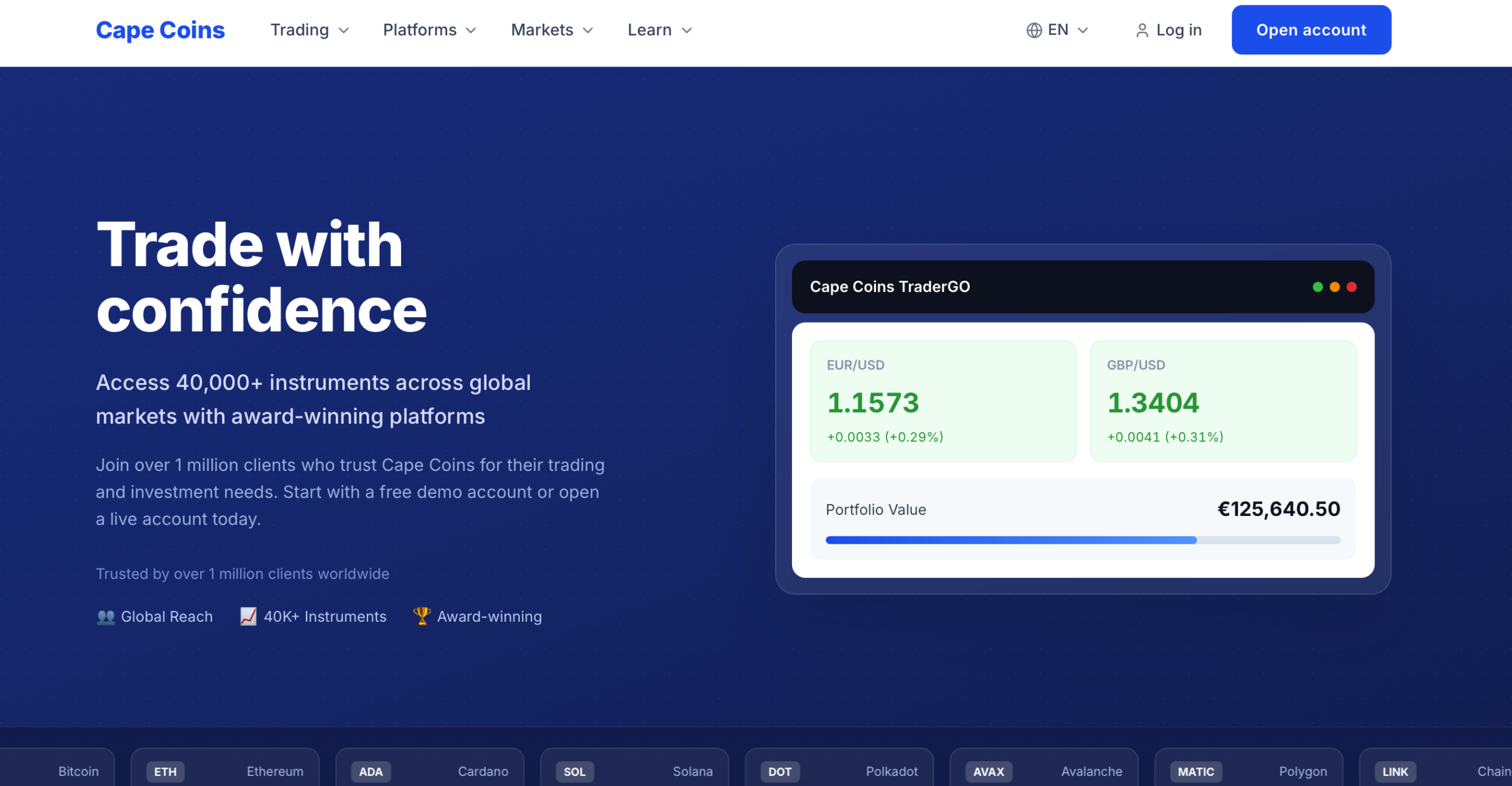
At first glance, Cape Coins presents itself as a sophisticated trading platform offering access to more than 40,000 financial instruments, including forex, stocks, CFDs, bonds, ETFs, options, and cryptocurrencies. The website promotes advanced trading tools, market access, and professional trading services designed to appeal to both beginner and experienced investors. However, professional branding alone should never be considered proof of legitimacy or investor protection.
RECLAIM YOUR FUNDS
One of the most serious concerns surrounding Cape Coins is the growing number of regulatory warnings issued against the platform. According to published reports, the Swedish Financial Supervisory Authority (Finansinspektionen) officially added Cape Coins to its blacklist due to fraud and other types of misconduct on February 12, 2026. Regulatory blacklisting is one of the strongest warning signs investors can encounter and should never be ignored.
The concerns do not stop there. On March 31, 2026, the Swiss Financial Market Supervisory Authority (FINMA) reportedly added Cape Coins to its warning list, stating that the broker is not entered in its commercial register. When multiple financial authorities raise concerns about a platform, the overall risk profile increases substantially.
Regulation is one of the most important safeguards available to investors. Licensed brokers are generally required to comply with strict standards involving client fund protection, financial reporting, transparency requirements, and dispute resolution procedures. Independent broker investigations report that Cape Coins provides no verifiable regulatory disclosures and fails to demonstrate oversight by any recognized financial authority.
Another major warning sign involves transparency. Independent reviews indicate that Cape Coins does not clearly disclose critical corporate information such as its legal entity name, registered address, jurisdiction of incorporation, or licensing details. Legitimate financial institutions generally provide this information so investors can independently verify their credentials before depositing funds.
The age of the website raises additional concerns. Public records show that cape-coins.com was registered in August 2024. Despite this, reviews indicate that the company has allegedly claimed to have been operating since 2021. Such discrepancies should prompt investors to conduct enhanced due diligence before trusting the platform with their money.
Independent trust-analysis services have issued concerning assessments regarding Cape Coins. Alertoscan assigned the website a trust score of only 26 out of 100 and classified it as “Risky,” citing regulatory warnings and high-risk characteristics commonly associated with problematic financial platforms.
Many questionable investment platforms rely heavily on promises of attractive returns and sophisticated trading environments. Investors may initially be shown profitable account balances, impressive performance metrics, and positive trading results. Unfortunately, these features can sometimes be used to encourage larger deposits before withdrawal issues emerge.
Withdrawal-related complaints represent one of the most common warning signs associated with high-risk investment platforms. A Trustpilot reviewer described investing €10,000 and later experiencing difficulties withdrawing funds, claiming that support responses were vague or nonexistent after withdrawal requests were submitted. While individual experiences may vary, recurring withdrawal concerns should never be ignored.
Additional investigations have highlighted allegations involving misleading representations and identity-related concerns. One legal analysis alleged that Cape Coins was operating using branding that could create confusion with legitimate businesses while presenting itself as a regulated broker. Such allegations further contribute to concerns regarding transparency and operational legitimacy.
Security concerns should also be considered carefully. Trading platforms routinely collect sensitive information such as passports, proof of address documents, banking details, and personal identification records. Investors should ensure that any company handling such information operates under recognized regulatory oversight and compliance standards.
RECLAIM YOUR FUNDS
Another major issue involves accountability. Regulated brokers generally operate within established legal frameworks that provide mechanisms for complaints, arbitration, and dispute resolution. Investors dealing with unregulated platforms may have significantly fewer options if problems arise involving withdrawals, account access, or disputed transactions.
Education remains one of the strongest defenses against investment-related fraud. Investors who independently verify licenses, review regulatory databases, research company histories, and analyze customer experiences are generally far better protected from avoidable financial losses.
Risk management should always remain a priority. Investors should never commit money they cannot afford to lose, especially when dealing with platforms that have attracted regulatory warnings and concerns regarding authorization.
Cape Coins serves as an important reminder that professional website design and attractive investment opportunities should never replace independent due diligence. Regulation, transparency, accountability, and a verifiable operational history remain among the most important factors when evaluating any online broker.
Conclusion
The concerns surrounding Cape Coins highlight many of the risks that continue to exist within the online trading industry. As digital investing becomes increasingly accessible, investors are exposed to a growing number of platforms that may appear professional while lacking the protections associated with regulated financial institutions.
One of the most significant concerns involving Cape Coins is the regulatory action taken by multiple financial authorities. The Swedish Finansinspektionen placed the company on its blacklist due to fraud-related concerns, while Switzerland’s FINMA added the broker to its warning list after determining that it was not registered within its commercial records. These actions represent serious warning signs for prospective investors.
Equally concerning are the findings of independent broker reviewers who report that Cape Coins operates without verifiable regulatory authorization while failing to provide essential corporate disclosures. The absence of transparent licensing information significantly increases investor risk.
The platform’s relatively recent domain registration, regulatory warnings, low trust assessments, and customer complaints involving withdrawals further contribute to its overall risk profile. Investors have limited historical information available to evaluate the company’s long-term reliability and operational integrity.
Investors should never rely solely on marketing materials when evaluating a brokerage platform. Independent regulatory verification, customer review analysis, withdrawal testing, and comprehensive due diligence remain essential components of responsible investing.
Financial losses are not the only risks associated with questionable investment platforms. Investors may also encounter emotional stress, privacy concerns, wasted time, and significant difficulties recovering funds once disputes arise.
As online investing continues to evolve, maintaining a cautious and informed approach remains essential. Platforms associated with regulatory blacklists, warning notices, transparency concerns, and withdrawal complaints should always be approached with extreme caution.
In conclusion, Cape Coins displays multiple warning signs involving regulation, transparency, trust assessments, website history, and investor protection. Prospective investors should conduct extensive due diligence before depositing funds and prioritize brokers operating under strong and independently verifiable regulatory oversight. Protecting your financial future should always take precedence over promises of attractive returns or investment opportunities.